Voice & Accent
Why Your Voice Sounds Different On Playback
The recorded voice is not distorted and the internal one is not the real one, because speaking delivers sound through bone as well as through air.
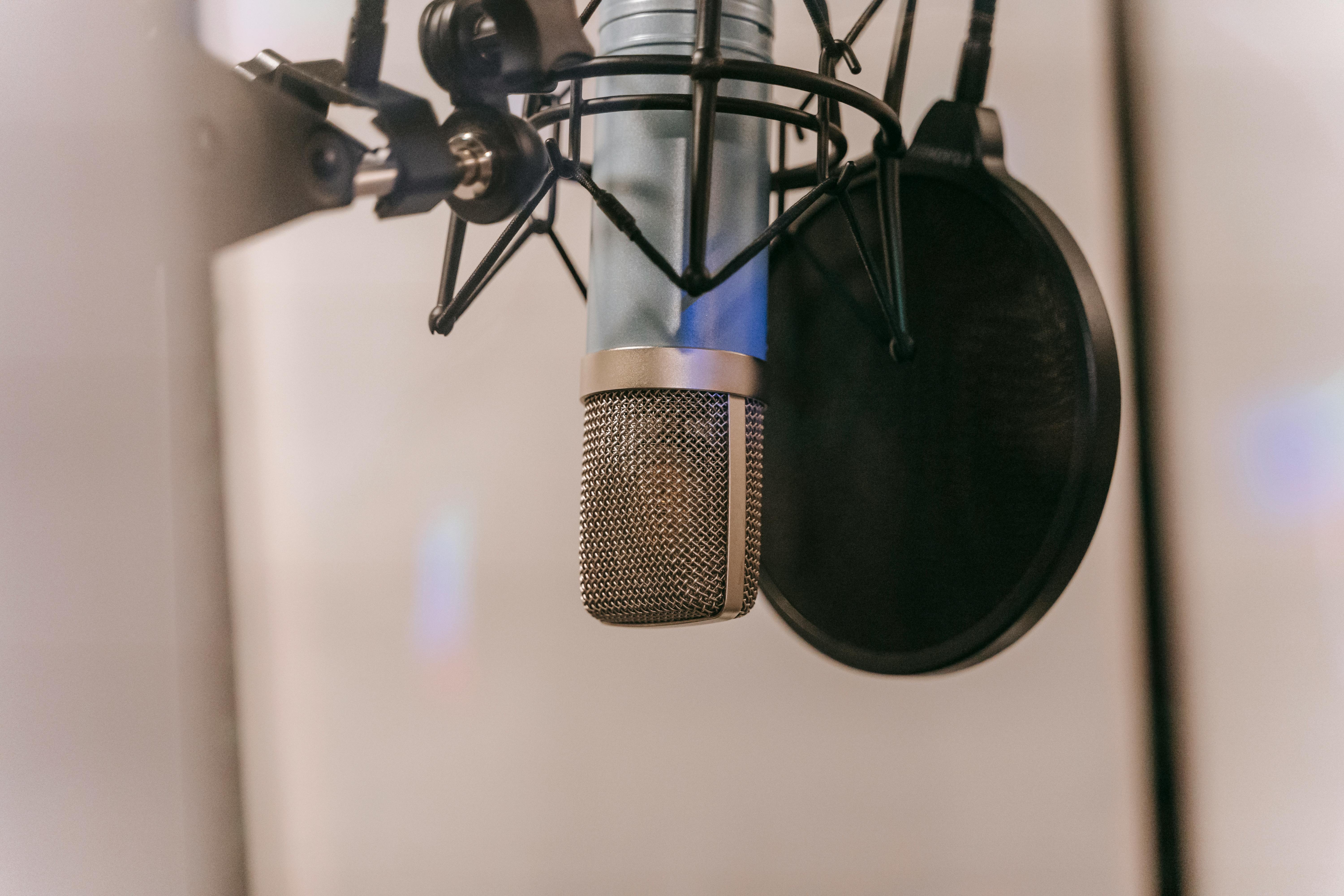
Almost everyone dislikes hearing themselves recorded, and the reaction is remarkably consistent across people and languages. The cause is physical rather than psychological, and it has a clean explanation.
Sound reaches your ears by two routes
When you speak, sound leaves your mouth and travels through the air to your ears like any other noise. That path is the one everybody else hears.
At the same time, the vibration of your vocal folds travels directly through the bones and soft tissue of your skull. That second path arrives without ever entering the room.
What you hear while speaking is the sum of both. A recording captures only the first, which is why it can feel as though a stranger has been dubbed over your life.
Bone adds weight at the bottom
Tissue and bone conduct low frequencies more efficiently than high ones. The internal route therefore delivers a version of your voice with the lower register amplified.
Strip that route away and the remaining sound is thinner and higher than the one you have listened to your whole life. Nothing has been removed by the microphone.
This is why the complaint is nearly always the same shape. People rarely say a recording sounds too deep; they say it sounds reedy, nasal or young.
Familiarity does most of the emotional work
You have heard the internal version constantly since childhood, and repeated exposure makes any sound feel correct. The recorded version arrives without that history attached.
The discomfort is closer to seeing an unflipped photograph of your face than to hearing a genuine flaw. Both break an expectation built by thousands of hours of habit.
Because it is a mismatch rather than a defect, it fades with exposure. People who record themselves regularly stop noticing it within weeks.
Equipment shifts the picture again
Microphones vary in how they respond across frequencies, and inexpensive ones often thin out the low end further. A phone held at arm's length flatters almost nobody.
Proximity matters too. Speaking close to most microphones boosts the bass considerably, which is why broadcast voices sound fuller than the same person across a table.
So a recording is not a neutral verdict on your voice. It is one particular capture, shaped by the device and the distance you happened to choose.
What the mismatch is actually useful for
The recorded version is the one your listeners have always had, so it is the only reliable source of information about how you come across.
Played back deliberately, it exposes habits you cannot hear from inside: a rising ending on statements, a rushed final word, a pitch that climbs under pressure.
Those are worth attending to. The timbre you dislike is largely fixed, but the patterns riding on top of it are learned and can be changed.
Also by Rafael Duarte
- Sounding like yourself in another languageLanguages
- Silence and what it doesVoice & Accent
- What your voice tells peopleVoice & Accent
- Your voice as you get olderVoice & Accent