Languages
Why Place Names Preserve Older Languages
American maps carry words from languages no longer spoken locally because names outlast the communities that made them, surviving through use rather than through understanding.
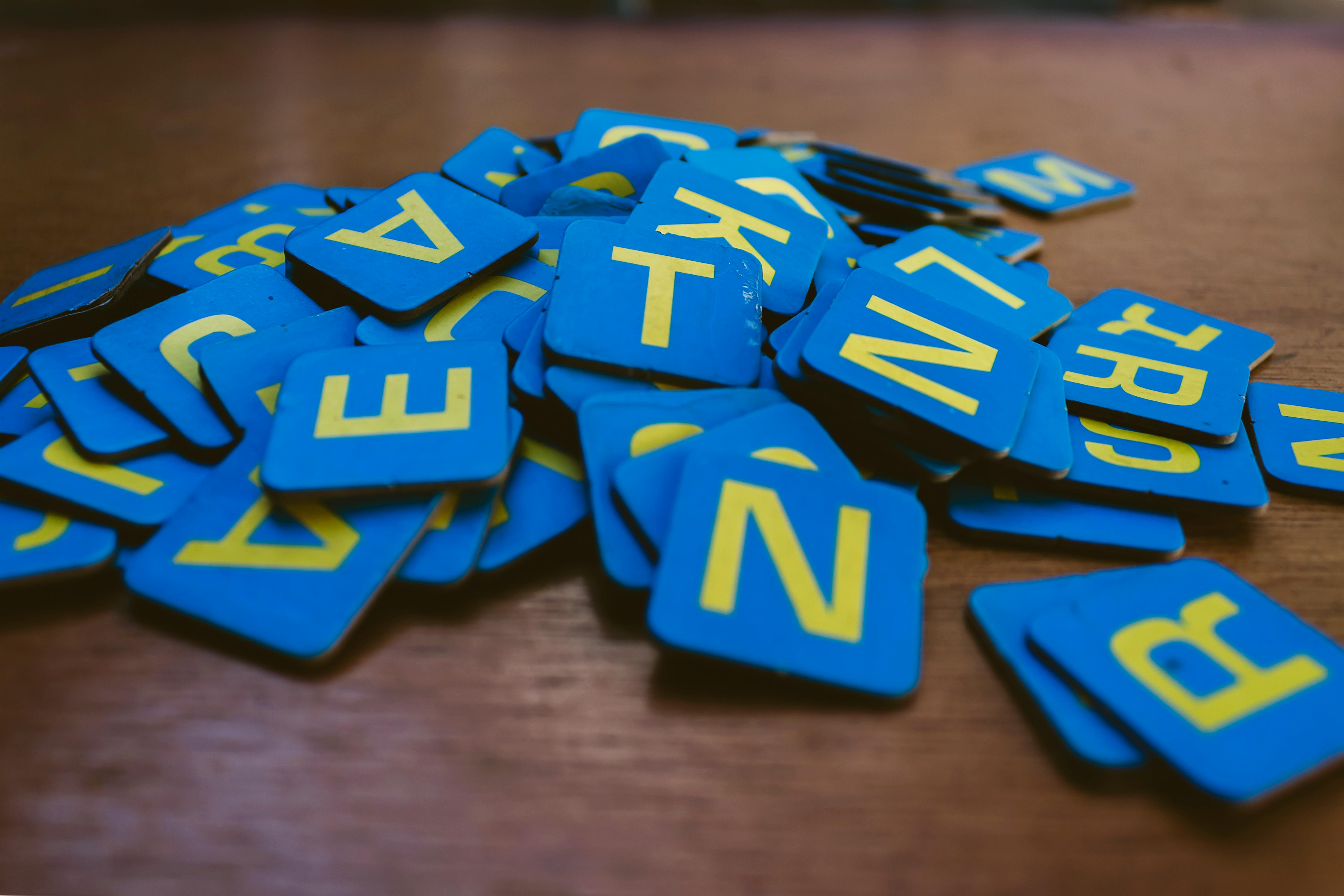
American place names come from languages most residents cannot speak, and often from languages nobody nearby speaks anymore. Names persist for reasons unrelated to comprehension.
A name stops meaning anything and keeps working
A place name functions as a label. Once it identifies a location reliably, its original meaning becomes unnecessary for it to do its job.
Speakers pass it on as a sound, not as a translation, so the word survives long after the language that produced it has gone from the area.
This is why residents can use a name daily for a lifetime without ever having reason to learn what it once described.
Layers accumulate rather than replace
New arrivals name what they build and inherit what already exists, so a region ends up with names from several eras sitting side by side.
Across the United States, Indigenous names for rivers and mountains often survive while newer settlements carry English, Spanish, French or Dutch names.
Natural features are especially durable, since a river needs a name before anyone settles it and the incoming population has no substitute ready.
Transmission distorts the sound
Names crossing between languages are reshaped by the sound system of whoever adopts them, and by whoever first wrote them down.
Sounds absent from the receiving language get replaced by the nearest available one, and spellings then fix that approximation permanently.
The result is names that are recognizable to a linguist and unrecognizable to a speaker of the source language, particularly where several rounds of borrowing occurred.
Generic elements identify the source
Many names contain a repeated element meaning river, hill, town or crossing, and those elements reveal the language of origin even when the specific part is obscure.
English endings for settlements, Spanish terms for saints and landscape, and French words for water features cluster geographically in ways that map onto settlement history.
Reading those elements gives a rough history of who arrived where, without any document, which is why toponymy is used alongside archival evidence.
Renaming is difficult and revealing
Changing a place name requires coordination among agencies, mapmakers, postal systems and residents, and old names persist locally long after official changes.
Debates over renaming are correspondingly heated, because a name that stopped conveying meaning has usually acquired attachment instead.
Procedures for renaming differ by state and by the type of feature involved, and they change over time, so the mechanics vary from case to case.
Also by Mei-Lin Chow
- Listening in a language you are learningLanguages
- Reading in another languageLanguages
- Keeping a language you already haveLanguages
- Writing that persuadesWriting