Conversation
Why Holiday Table Conversations Go Wrong
Family gatherings combine mixed generations, alcohol, fixed seating and long-established roles, and the arguments that follow are usually about position in the family rather than about the topic.
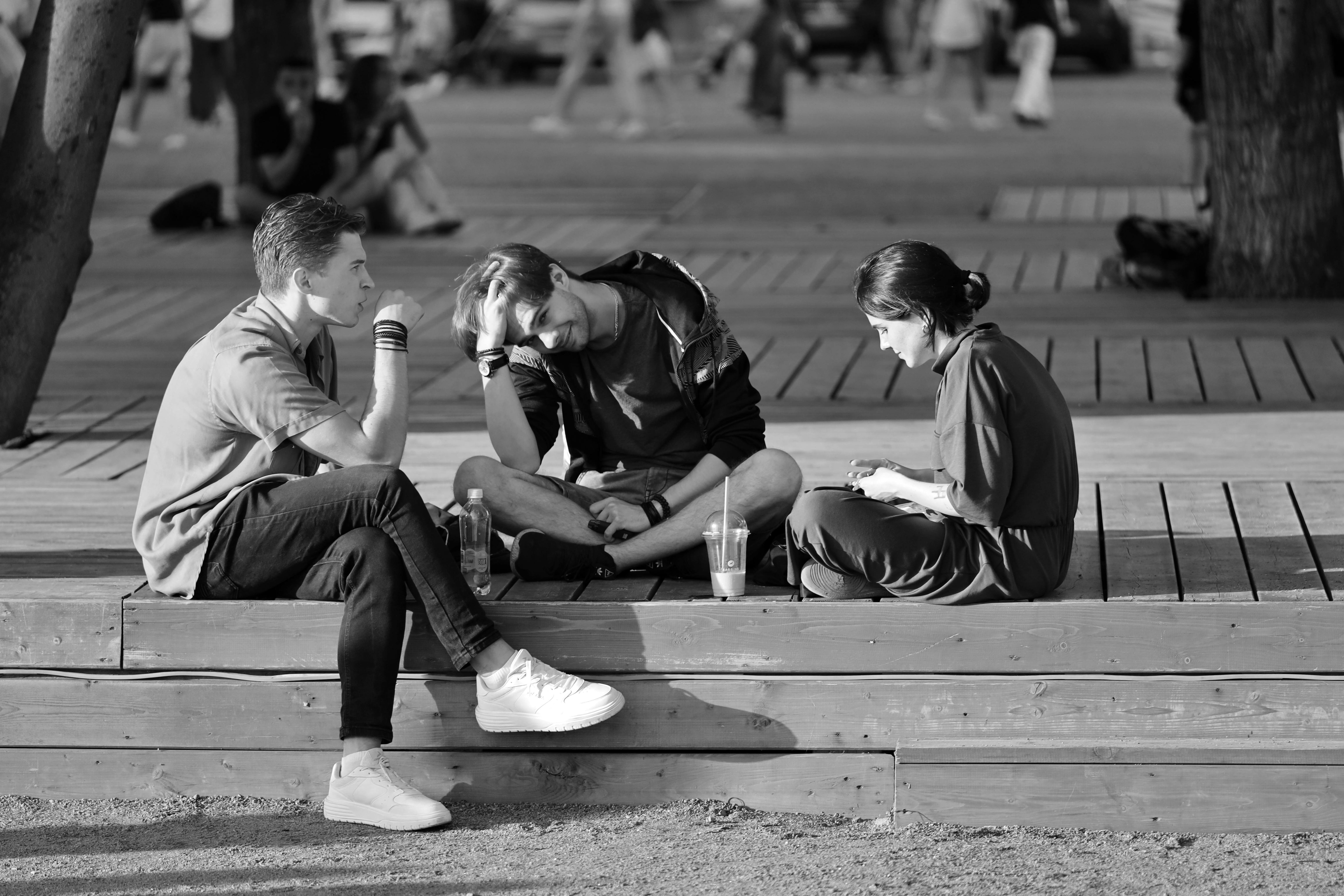
Holiday meals produce a predictable kind of argument. The conditions are unusual enough that the pattern says more about the setting than about the people in it.
Roles are assigned before anyone arrives
Family members slot back into positions formed decades earlier: the responsible one, the difficult one, the one who is still treated as young.
Those roles are invisible to the people occupying them and obvious to everyone else, and they govern how a comment is heard regardless of its content.
An adult who is competent everywhere else finds themselves being corrected at the table, and reacting to the correction rather than to what was said.
Nobody can leave the seat
Ordinary conversation has an exit. A meal does not, at least not without a visible act of walking away from a table where everyone is watching.
Removing the exit removes the pressure valve that normally stops a disagreement before it escalates, because either party would usually have disengaged by now.
The subject also cannot be dropped easily, since the same people remain within earshot and any return to it reopens the whole exchange.
Mixed generations do not share references
Four decades of age range sit at the same table, with different sources of information, different vocabulary for the same subjects and different assumptions about what is polite.
A term that is neutral to one generation is loaded to another, and the resulting offense looks deliberate to the person who took it and baffling to the person who caused it.
Most of the sharpest exchanges start there rather than in genuine disagreement about the topic on the surface.
The topic is rarely the issue
Political arguments at family gatherings tend to reproduce the same alignments as every other family conflict, with the same people on the same sides.
That pattern suggests the disagreement is a vehicle rather than a cause, which is also why winning the point never settles anything.
Changing anyone's view at a holiday table is close to impossible, and treating that as the goal guarantees a bad evening for a result that will not occur.
What actually reduces the damage
Shorter exposure helps more than better technique. Gatherings with an activity, a walk or a defined end time produce fewer confrontations than open-ended ones around a table.
Declining the exchange rather than the person — acknowledging the remark and moving on — costs less than either arguing or conspicuous silence.
Where a family relationship involves genuine harm rather than friction, that is a different situation, and a therapist or counselor is the appropriate place for it rather than the dinner table.
Also by Esme Carrington
- The stories organisations tell about themselvesStorytelling
- Conversations with people much older or youngerConversation
- Speaking to cameraPublic Speaking
- Structuring a longer storyStorytelling